
You’re about to take a visual personality journey made up of 20 powerful images.
Each image is followed by 3 answer choices — simply select the one that best reflects how the image makes you feel or what it triggers in you.
There are no right or wrong answers — just go with your gut.
At the end, your answers will reveal a deep insight into your emotional lens and how you experience the world. Ready to begin?
Start now.
Results
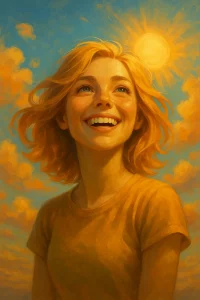
You radiate warmth, hope, and vibrant emotional intelligence. Your reactions reveal a heart drawn toward beauty, light, and the silver linings of life. Even when confronted with uncertainty or chaos, you instinctively look for the thread of positivity running through the moment. Whether through nature, people, or your own imagination, you seem to thrive on moments of joy, awe, and creative wonder.
Psychologist’s Note:
Radiant Optimists are emotionally attuned and resilient. Research suggests that such individuals are often better at regulating stress, fostering social bonds, and finding meaning even in challenging circumstances. This doesn’t mean you’re naive—it means you choose to believe in possibility. Lean into this strength, but remember that your light shines brightest when grounded in authenticity.

You’re grounded but open, curious without being naive. You notice the strange, the silly, and the beautiful without losing your sense of logic. Your mind holds both the facts and the wonder.
Psychologist’s Note:
Bright Realists strike a balance between critical thinking and playful perception. Their flexibility makes them well-adapted to novelty, problem-solving, and emotional nuance.

You’re measured, perceptive, and not easily swayed by first impressions. You often pause, assess, and lean into logic before emotion. It’s not that you avoid feeling—it’s that you like understanding the situation fully before reacting.
Psychologist’s Note:
Cautious Analyzers are deeply aware of risk and control. This mindset supports critical thinking and emotional regulation, but can sometimes cause hesitation in novel or ambiguous settings.

You feel deeply, think often, and process the world in layers. Images and moments tend to stir something reflective in you—memories, moods, or philosophical questions. You often wander into meaning without trying.
Psychologist’s Note:
This archetype is often linked to high trait openness and introspection. While prone to existential pondering, Wanderers usually develop rich inner lives and creative insight.
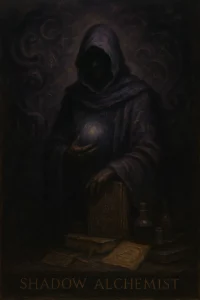
You’re not afraid of the dark, the odd, or the uncomfortable. You instinctively lean into mystery, contrast, or depth—often finding meaning or beauty where others turn away. You’re a transformer, not an avoider.
Psychologist’s Note:
This archetype suggests a strong capacity for emotional integration. Shadow Alchemists process complexity without needing to simplify or sanitize—traits linked to deep empathy and post-traumatic growth.
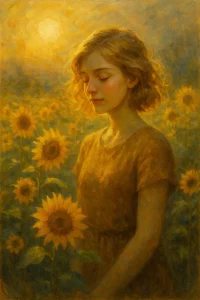
You keep a healthy distance. Whether things are intense, absurd, or emotional, you usually stay calm and objective. You’re great at separating the moment from your emotions—and often see patterns others miss.
Psychologist’s Note:
Detached Observers excel in analysis and emotional neutrality. While this allows clear thinking, they may benefit from engaging more with visceral experiences and emotional expression.
You take the world as it is—with clarity, steadiness, and quiet confidence. You’re not easily rattled by extremes, and you rarely jump to conclusions. You tend to accept things without overreacting or romanticizing, which gives you a grounded sense of peace. You don’t avoid emotions—you just keep them in balance.
Psychologist’s Note:
Calm Realists often demonstrate strong emotional regulation and cognitive stability. Their even-keel approach to experience suggests low neuroticism and high conscientiousness. This archetype excels in moderation, composure, and rational adaptability under pressure.


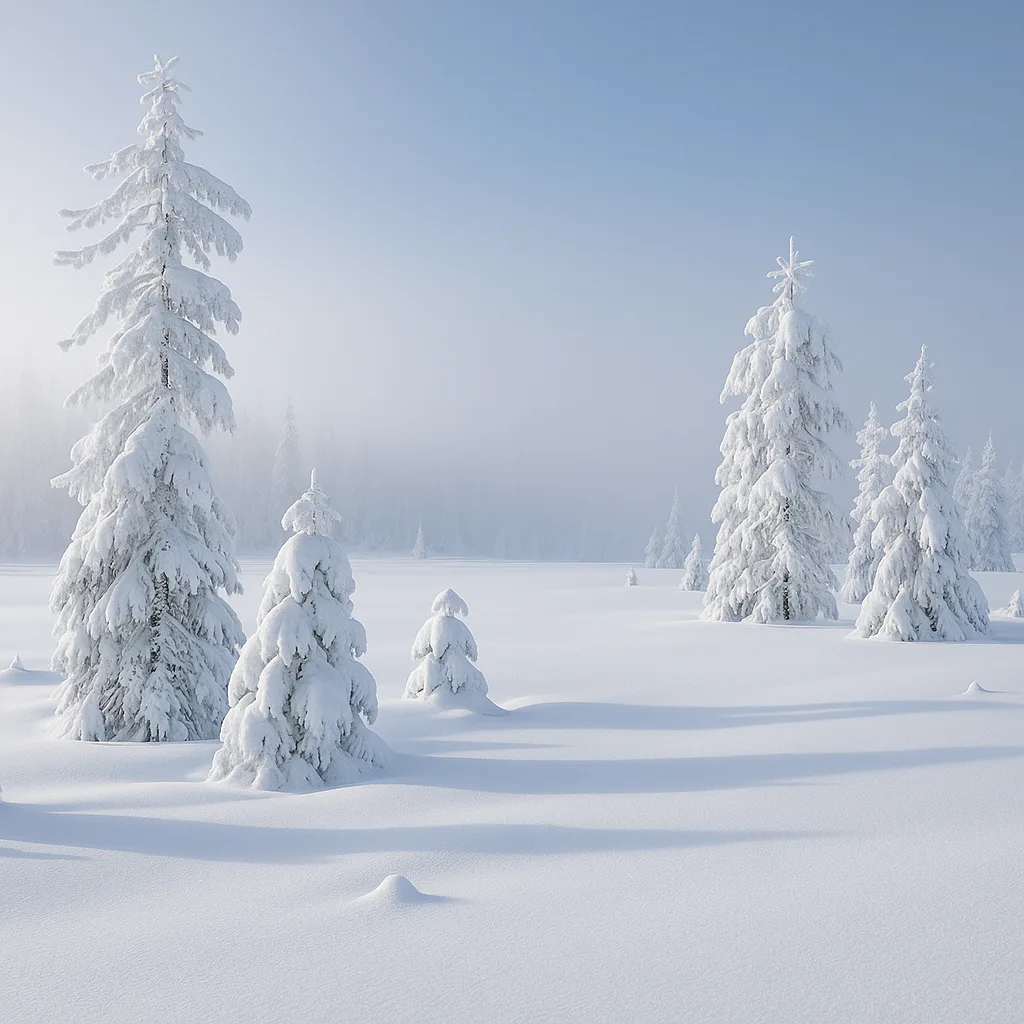
This image invites you into a calm, frozen landscape. Take a moment to observe your reaction—what emotion does it trigger?
#1. How does this snowy landscape make you feel?
There are no right or wrong answers. Your perception is personal and part of the bigger picture we’ll uncover at the end.
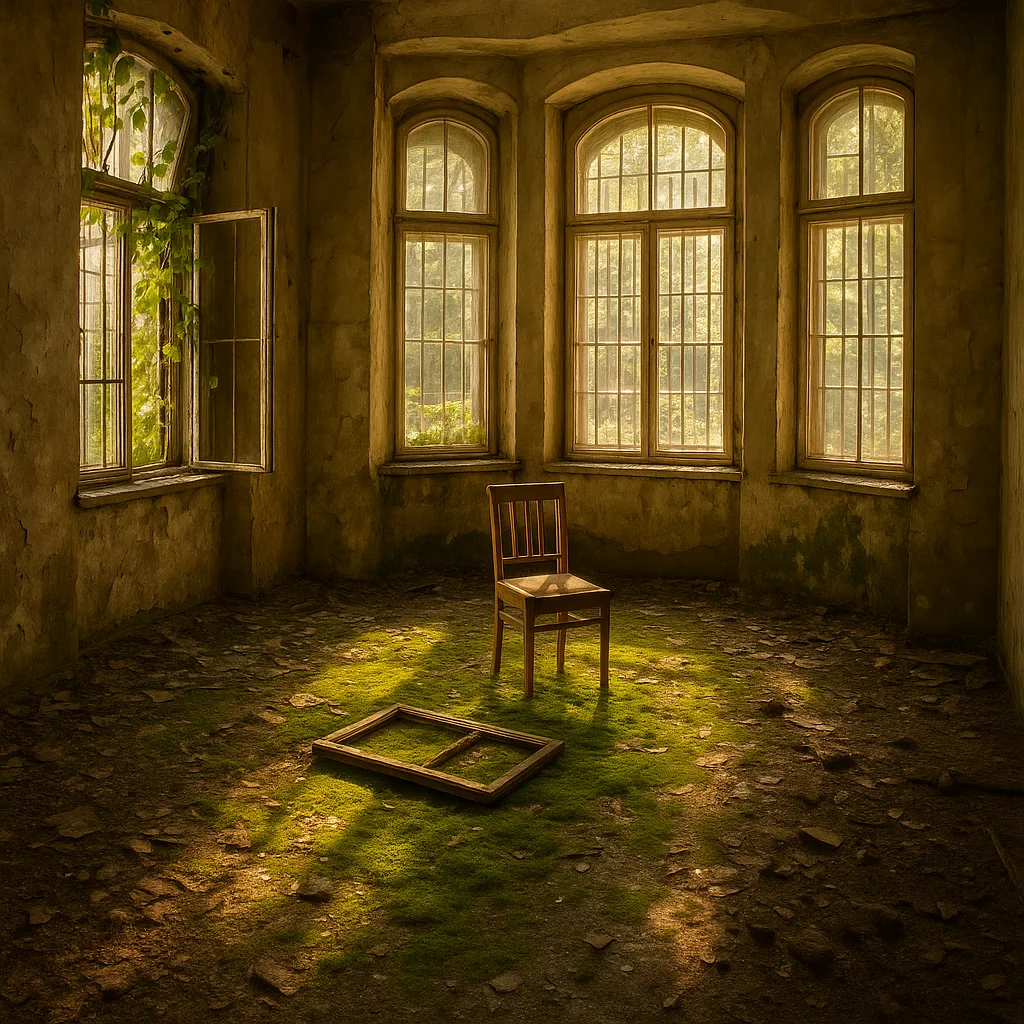
A once-lived space now silent. Light still finds its way in—does it feel peaceful, eerie, nostalgic, or something else entirely?
#2. What feeling does this room evoke?
Spaces like this can awaken personal memories or emotional echoes. Trust your instinctive response—it’s part of your deeper self-reflection.

Look out into the open water. Let your gut feeling speak first—what emotion stirs as you take in this view?
#3. What comes to mind seeing this sea?
Your reaction to the ocean reflects how you relate to vastness, uncertainty, and emotional space. Every response is a window inward.
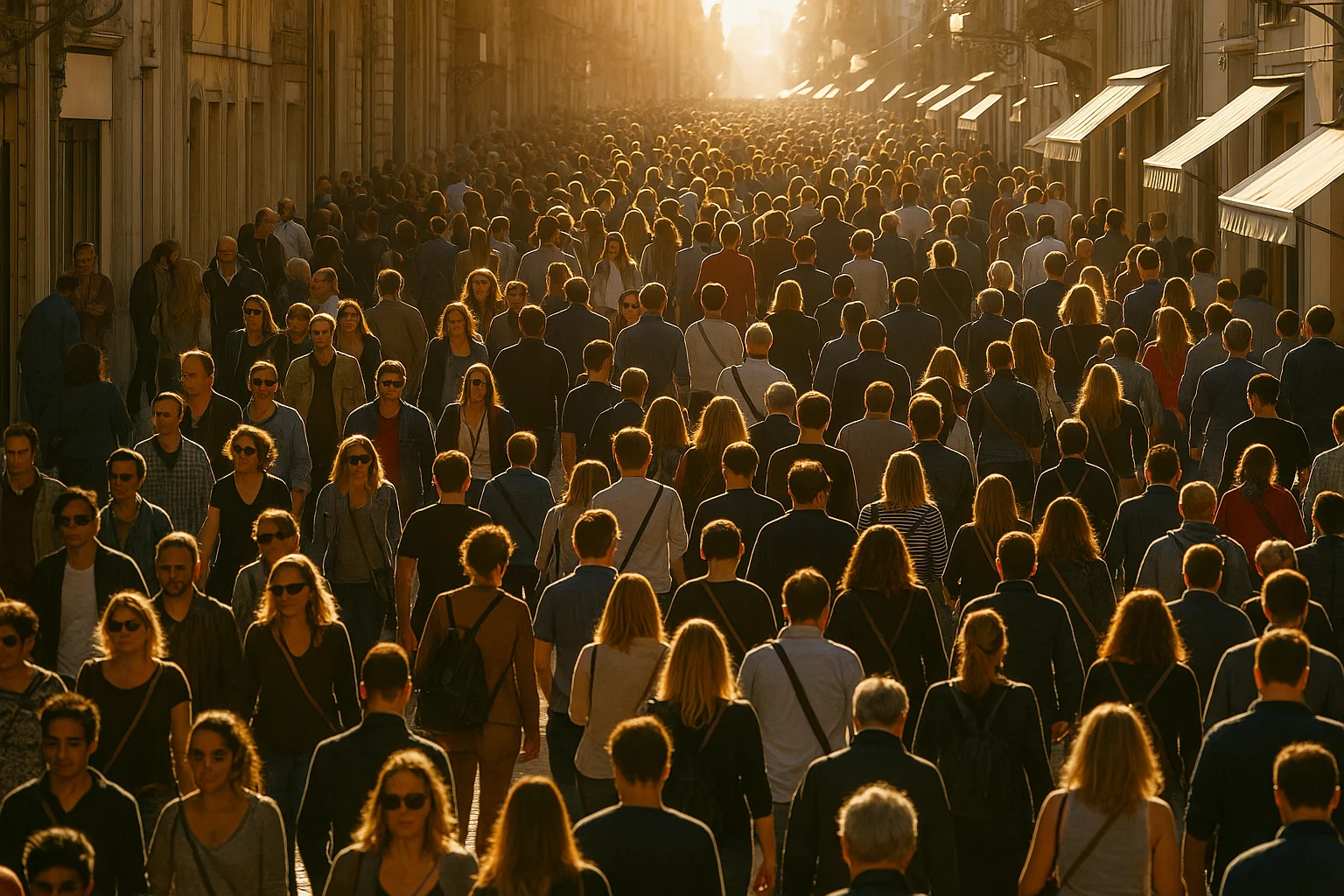
This image captures the flow of daily life. Imagine you’re there—how does the atmosphere affect your mood?
#4. What do you feel seeing this crowd?
How we respond to crowds often reflects how we process social energy, personal space, and identity in motion.
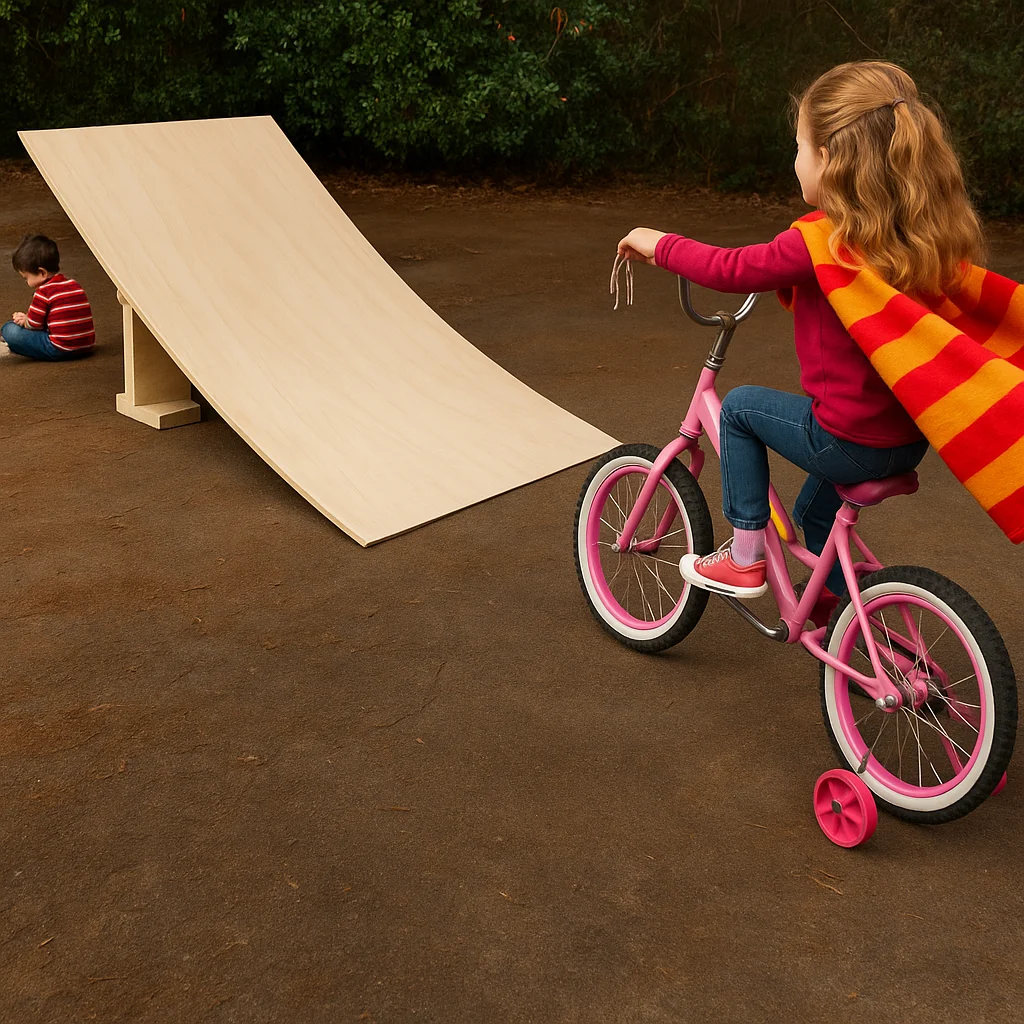
She’s got a cape, a ramp, and a bike. Imagine standing right there—what’s the first thing you feel?
#5. What stands out most to you here?
Sometimes it’s the little moments—like this one—that show how we see risk, adventure, or even ourselves.
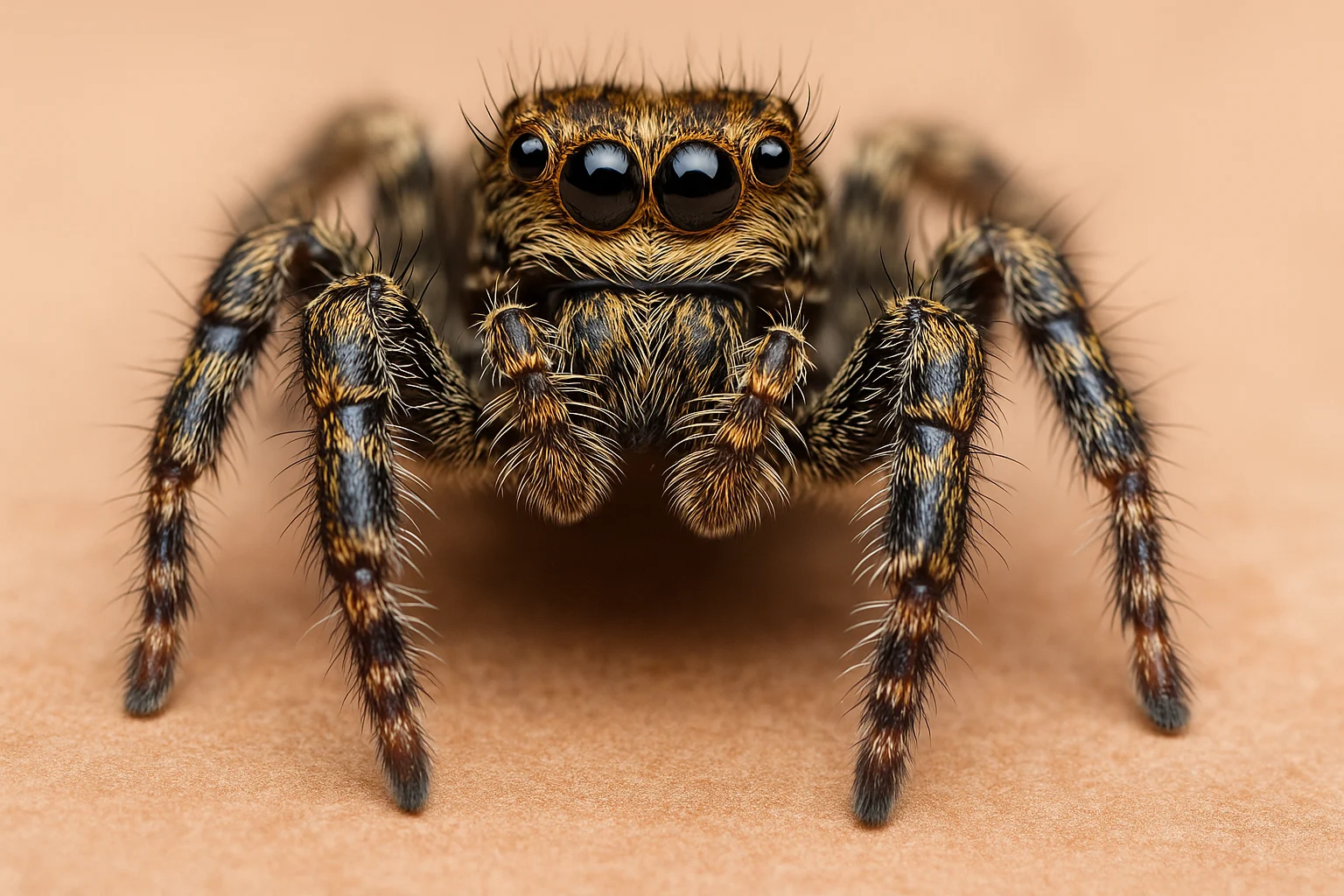
It’s just a spider… or is it? Take a second to really look. What does your instinct say?
#6. What’s your gut reaction to this?
Reactions like this show how you deal with discomfort, unpredictability, and things outside your comfort zone.
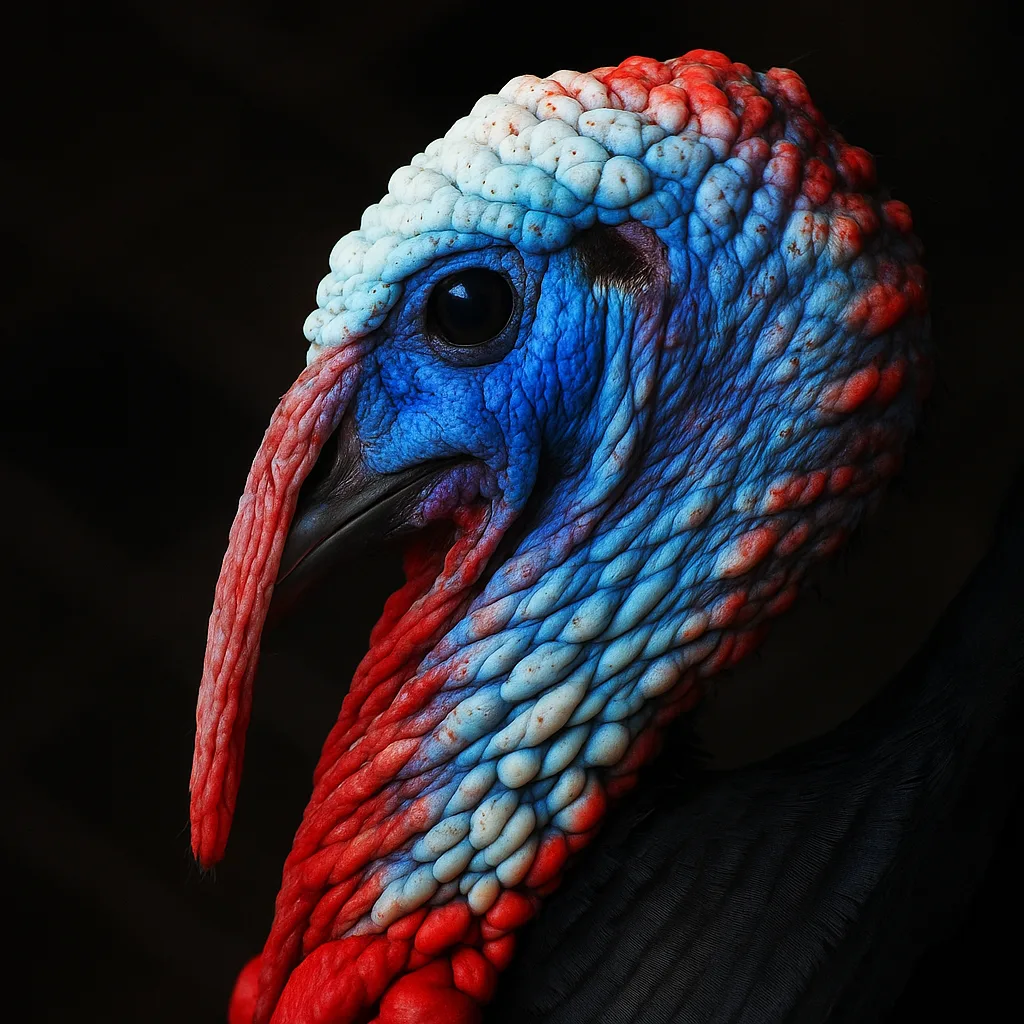
You don’t see this every day. Take a good look—what pops into your mind first?
#7. What’s your take on this bird?
Beauty isn’t always soft or perfect. What you see here says a lot about how you handle the unexpected.
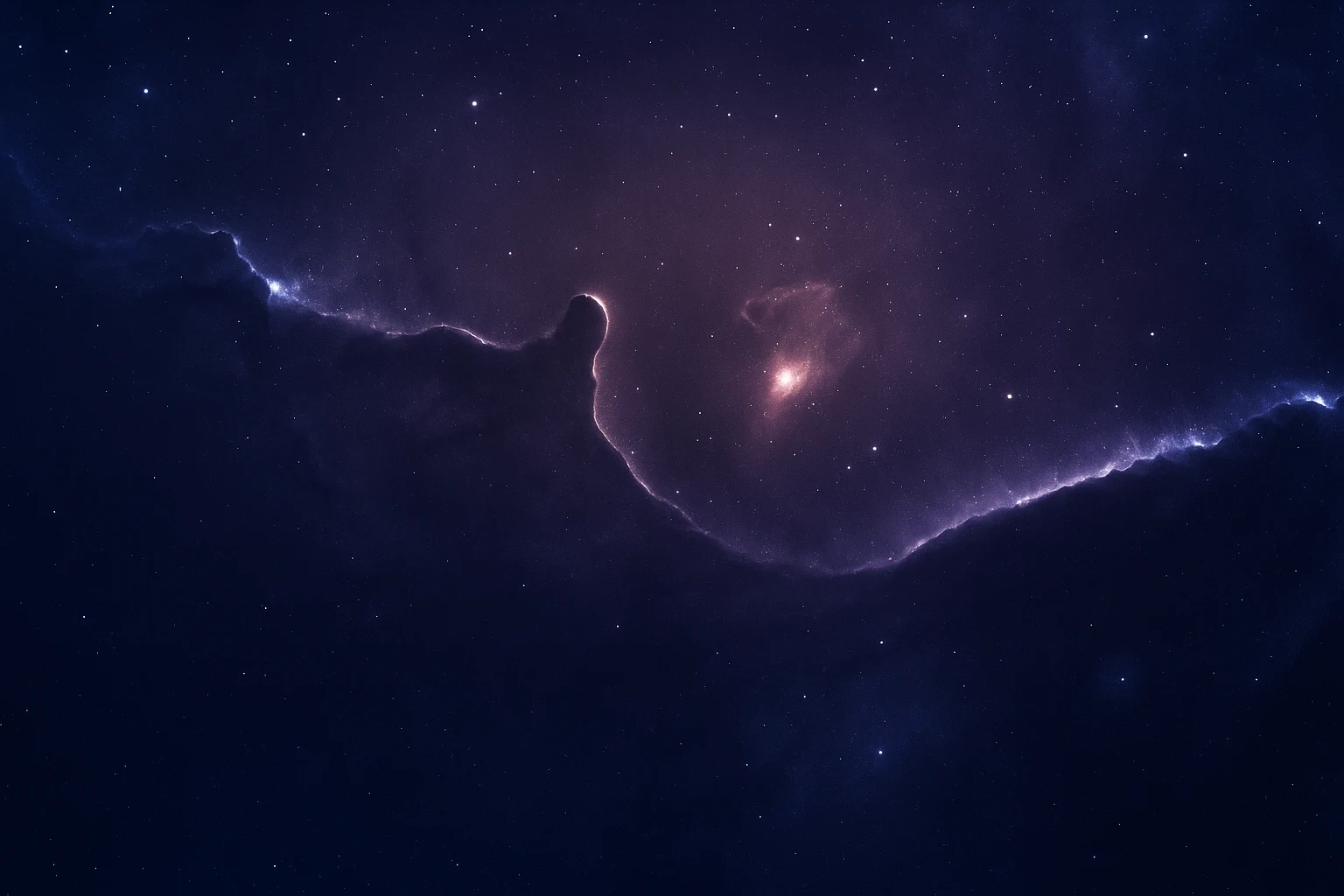
You’re looking into space—billions of stars, light-years away. What’s the first feeling that hits you?
#8. How does this cosmic scene feel?
The way we react to the vast unknown says something about how we relate to mystery, meaning, and our own inner space.
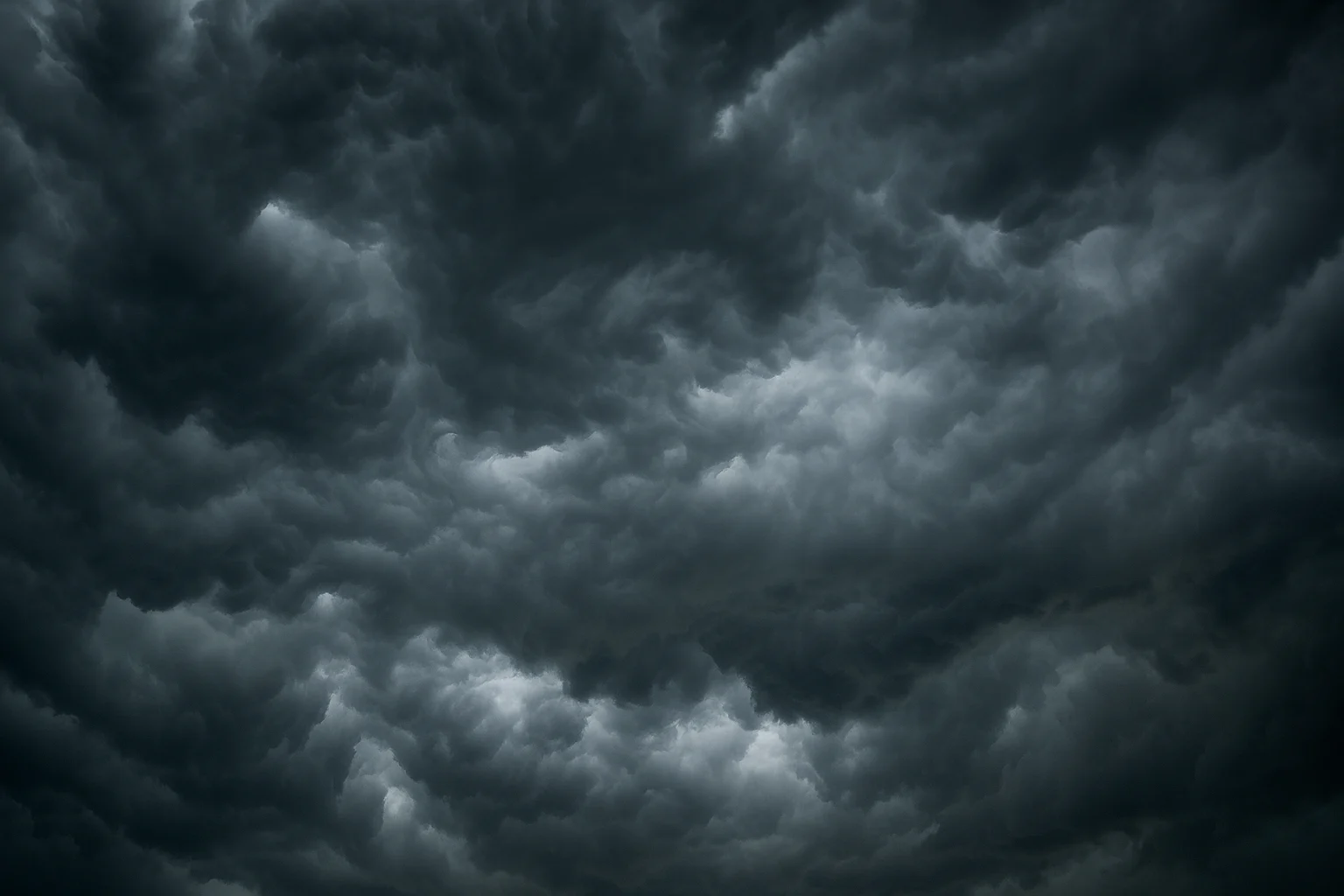
You’re looking into space—billions of stars, light-years away. What’s the first feeling that hits you?
#9. What’s your first reaction here?
The way we react to the vast unknown says something about how we relate to mystery, meaning, and our own inner space.
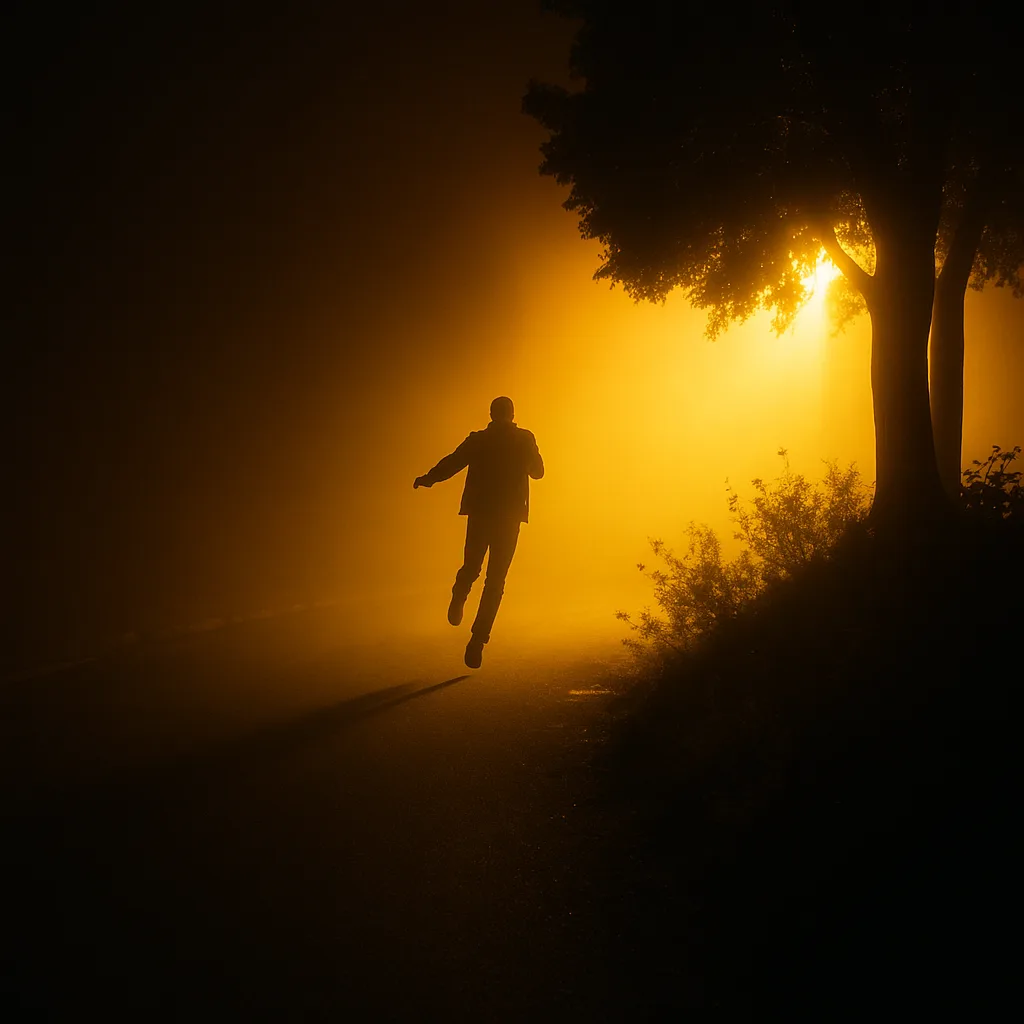
Picture yourself there, mid-step in the fog. What hits you first—wonder, mystery, or a warning?
#10. What vibe do you get from this?
Whether you see danger or discovery in the unknown says a lot about what drives or holds you back.
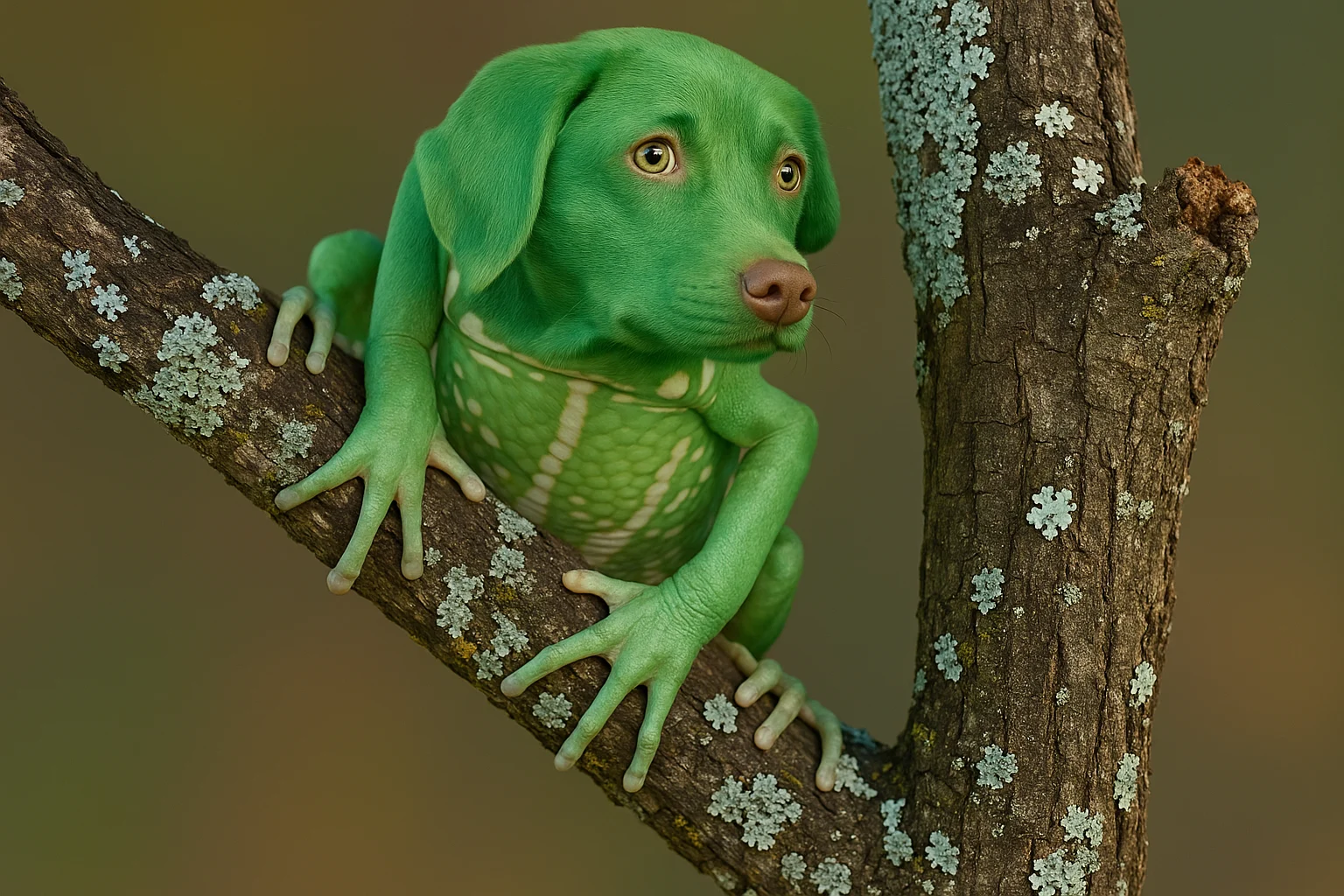
It’s part frog, part dog… all weird. But weird doesn’t mean bad. What’s your honest first reaction?
#11. How does this strange creature feel?
How you handle the unexpected—especially when it’s strange or funny—says a lot about your inner lens.
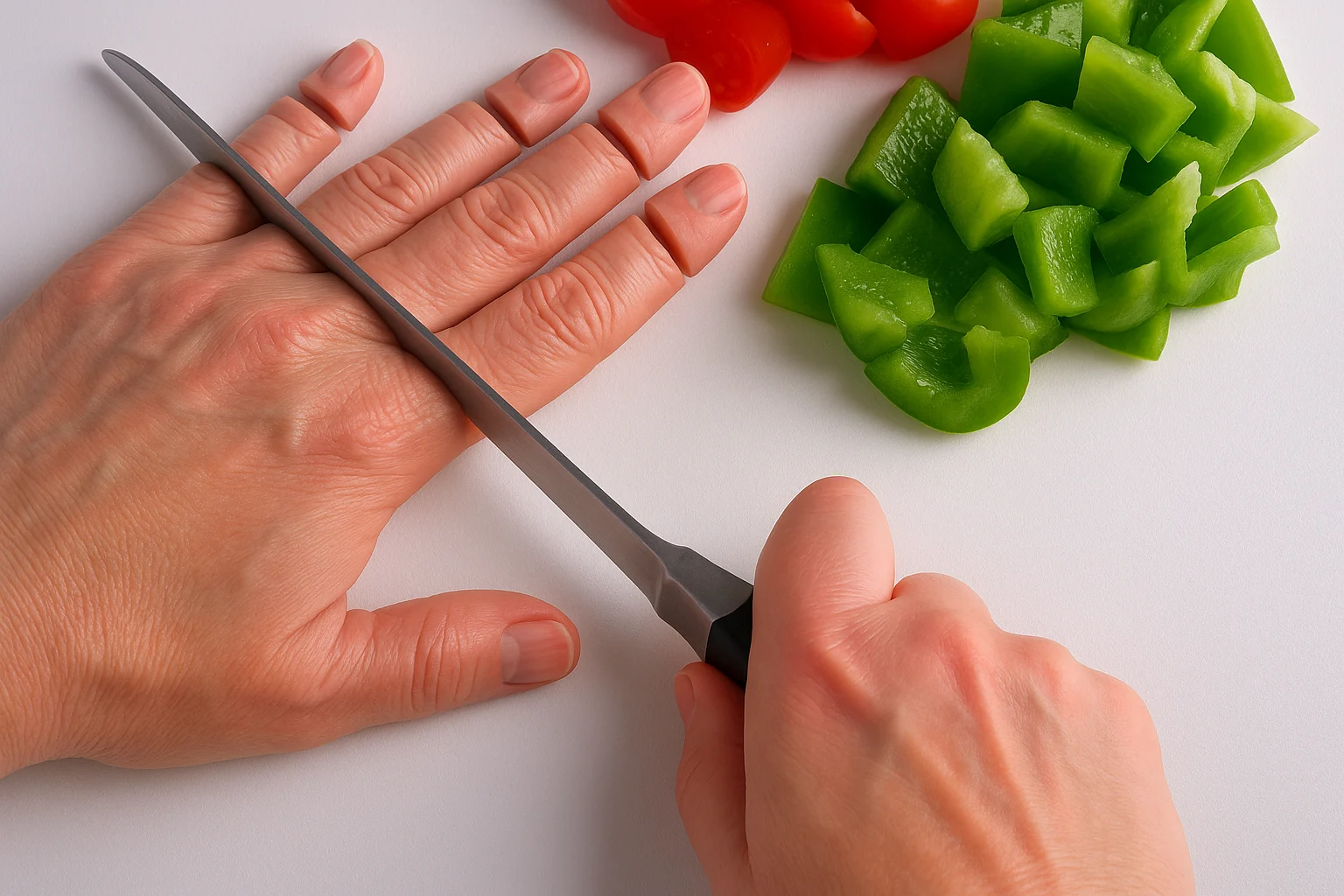
It looks intense, but it’s clearly not real. Still, your brain reacts first—what’s your reaction?
#12. How do you feel looking at this?
How we respond to discomfort—real or imagined—reveals a lot about how we process fear, control, and emotion.
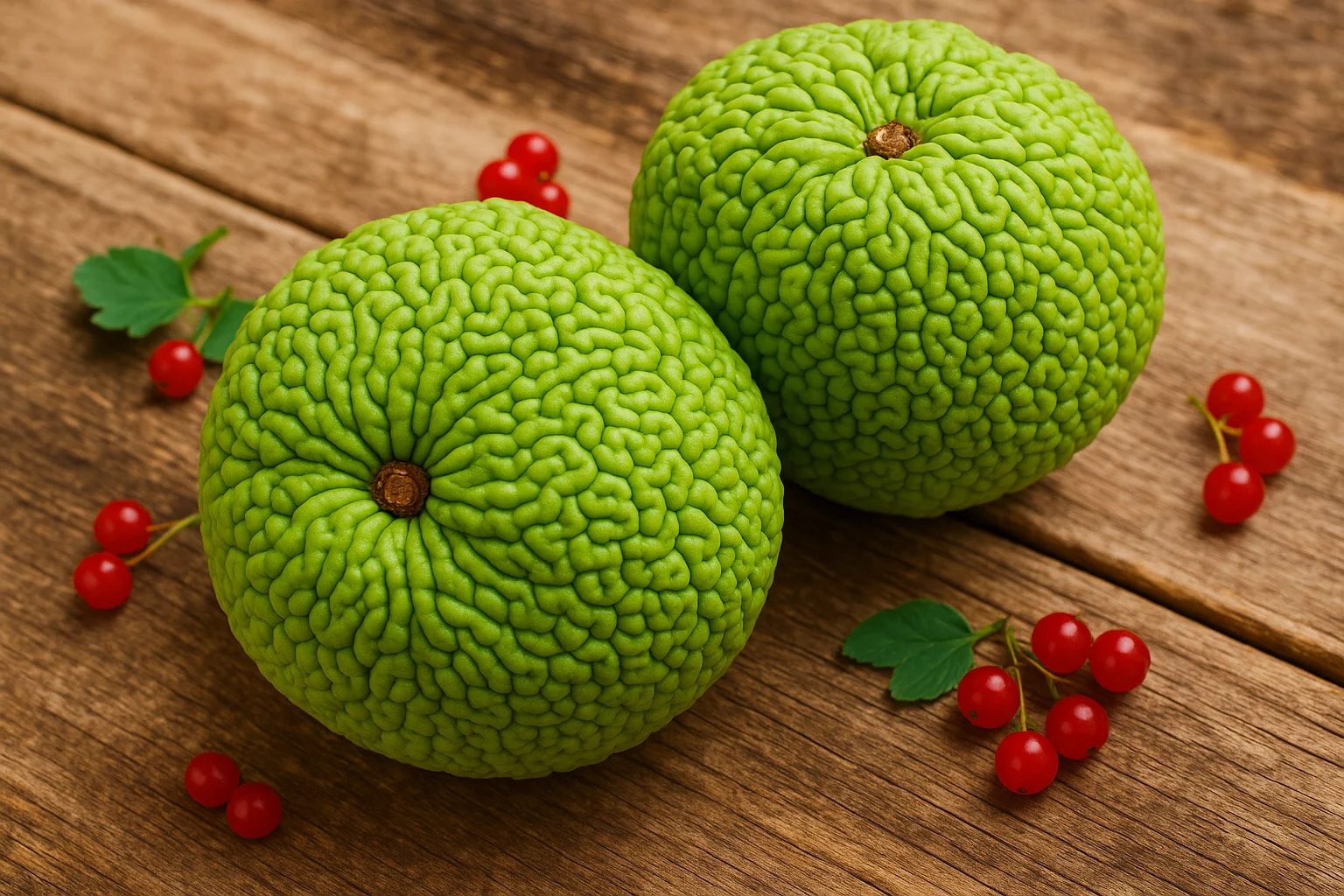
Take a closer look at the surface of these fruits. They’re real—but they definitely don’t look it. What comes to mind?
#13. What’s your reaction to these fruits?
Sometimes the most real things feel the most surreal. Your response shows how you react to visual oddities and the unfamiliar.
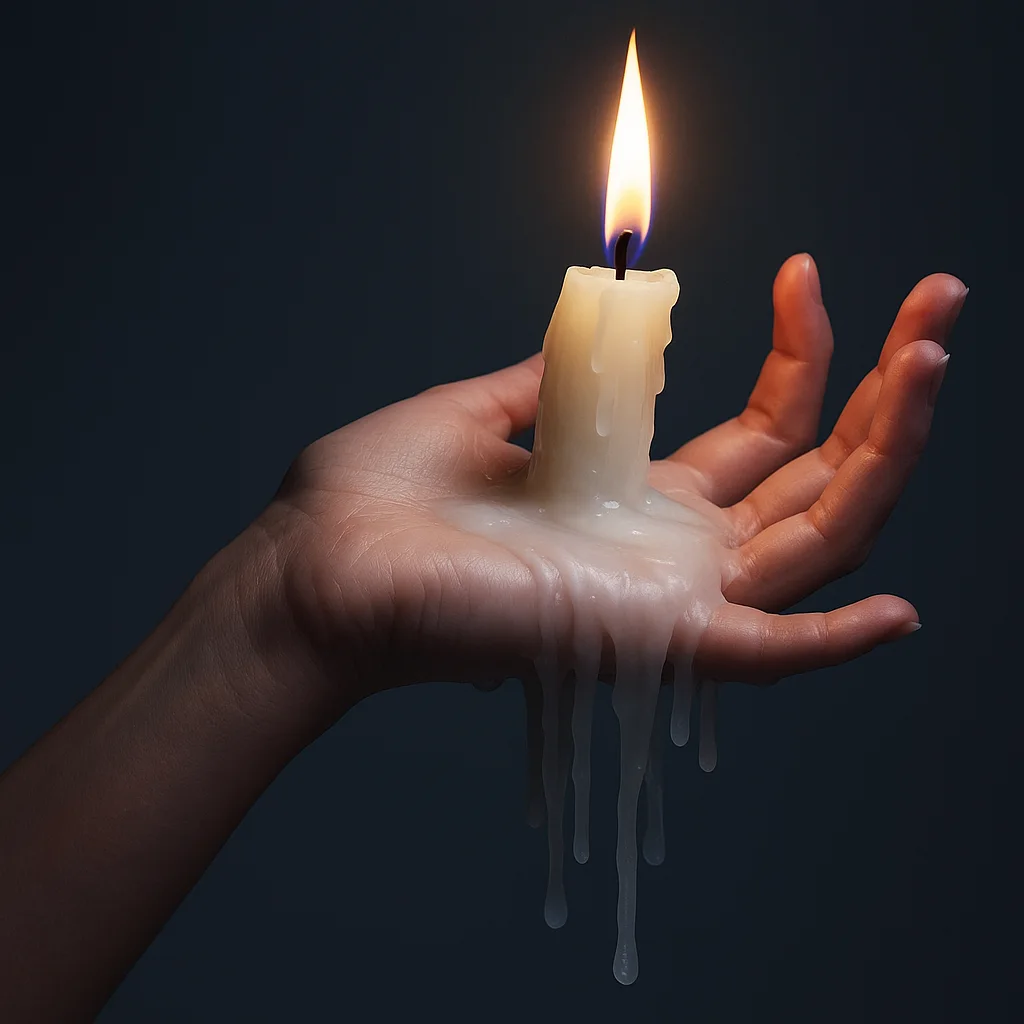
Look closely—this isn’t just a candle. It’s burning, melting, and resting in a human hand. What’s your instinctive emotional response?
#14. What does this image stir in you?
Some images are hard to pin down—part serene, part uncomfortable. Your answer here helps reveal how you handle intensity, contradiction, and symbolic visuals.
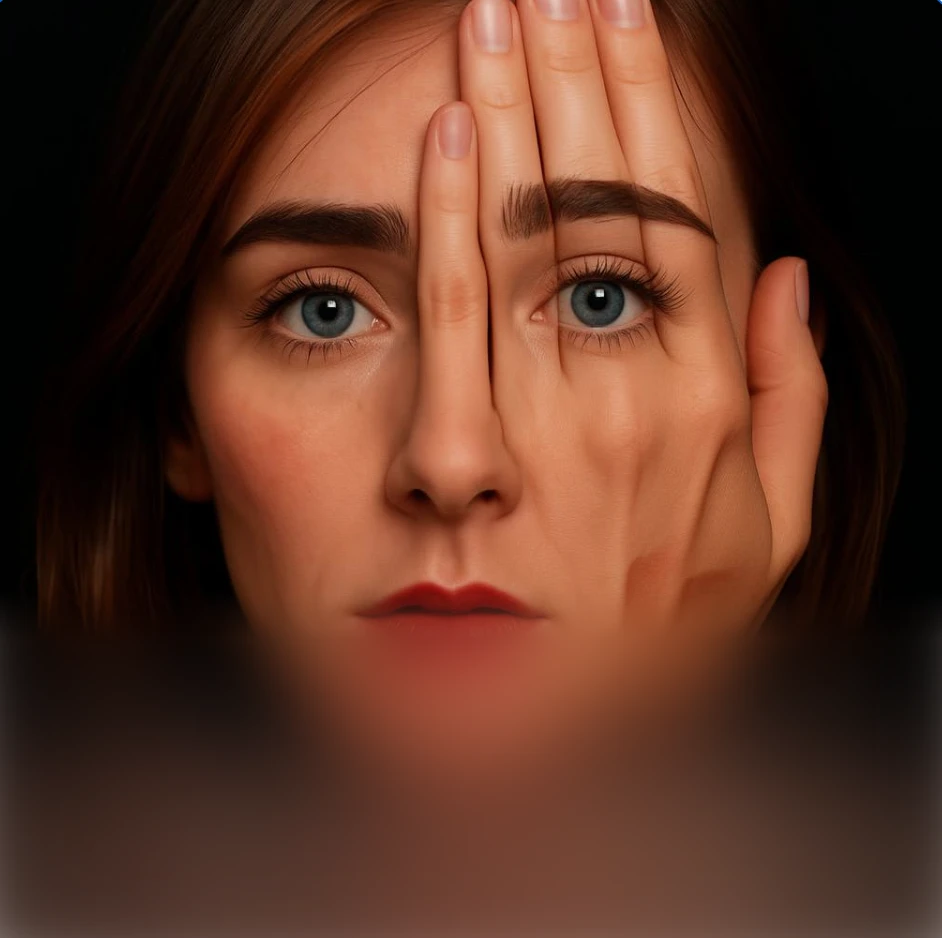
Look again—what are you really seeing? A face, a hand, or both? Optical illusions like this can say a lot about how your mind processes contradiction.
#15. What’s your first emotional reaction to this image?
This kind of visual puzzle messes with our instincts. What you notice first (and how you feel about it) gives us a small clue about how your mind filters confusion or paradox.
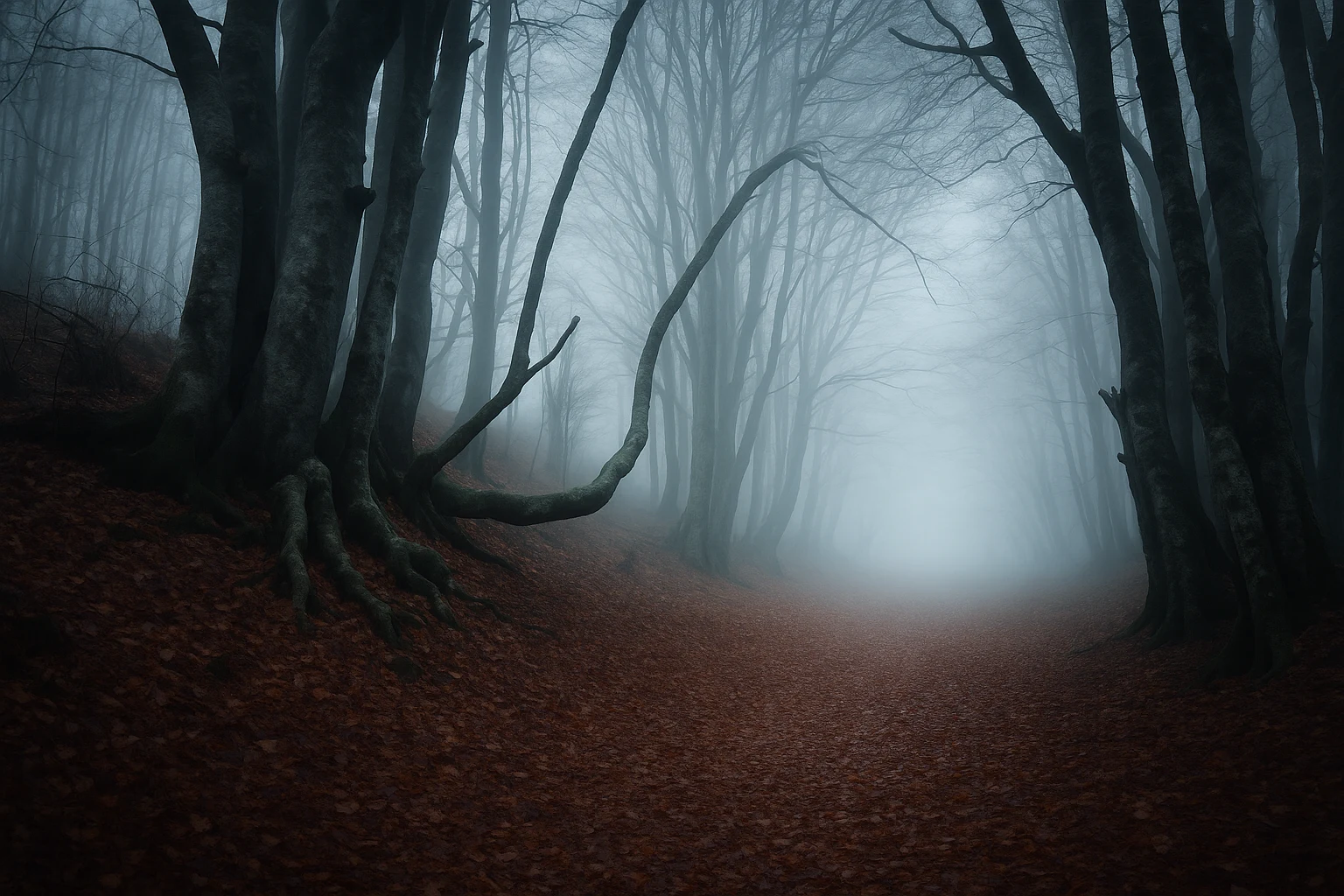
You’re walking a forest path in silence. Mist hugs the trees. No signs, no people—just nature, shadows, and your own breath.
#16. What emotion does this forest stir?
This setting is more than just a place—it’s a mood. Some see a journey inward. Some feel warned to turn back. Others are drawn in, seeking what lies beyond the fog.

Imagine you’re gently drifting just above this sandy seafloor. There’s no noise, no movement, just this quiet blue and the weightless silence of the deep.
#17. How does this quiet seafloor make you feel?
This moment invites different minds to interpret silence differently. To some, it’s peace. To others, it’s existential. What does your instinct say?
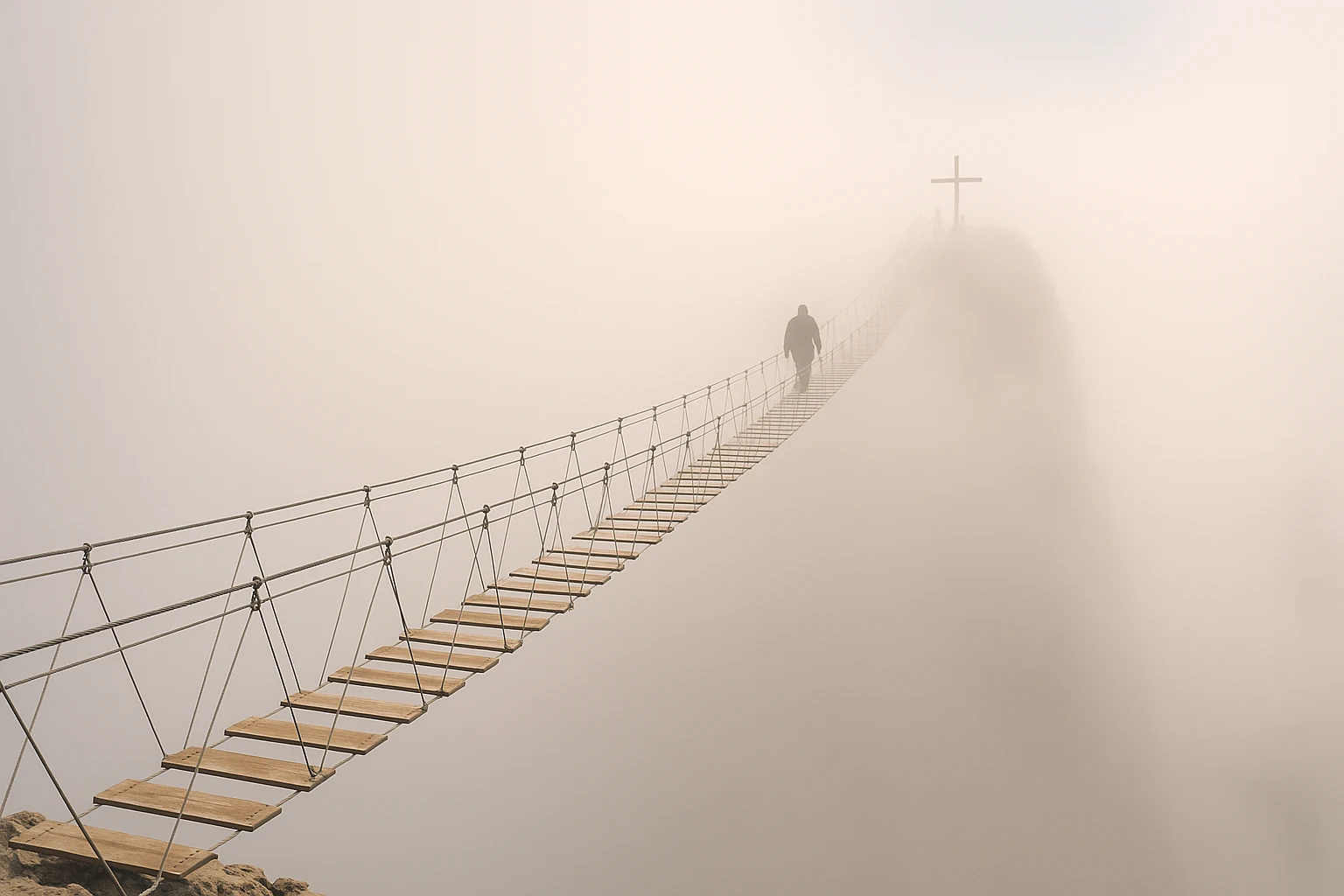
You’re standing before this narrow bridge, suspended above nothingness, vanishing into fog. It’s quiet. There’s only you, the ropes, and the unknown ahead.
#18. What does crossing this foggy bridge evoke in you?
Some see challenge. Others see reflection. Or even fear. Your gut response to this moment might reveal more about how you walk through life than you think.

You’re perched on the edge of a cliff, legs dangling above the ocean’s blue depths. The wind is real. The height is real. So is the feeling.
#19. How does this moment make you feel?
Moments like this strip away distractions. What you’re left with is pure instinct—thrill, serenity, or caution. How you respond says a lot about your natural balance between risk and reflection.

A wide-eyed cat. A clueless mouse. It’s like a silent standoff packed with instinct, curiosity, and a hint of drama. What’s your gut response?
#20. What best reflects your reaction to this moment?
Sometimes we project a lot onto little moments. That one stare—playful, predatory, or empathetic? Your choice reveals how you relate to pressure, instinct, or even vulnerability.
Loved it !!
good give me feedbak.