
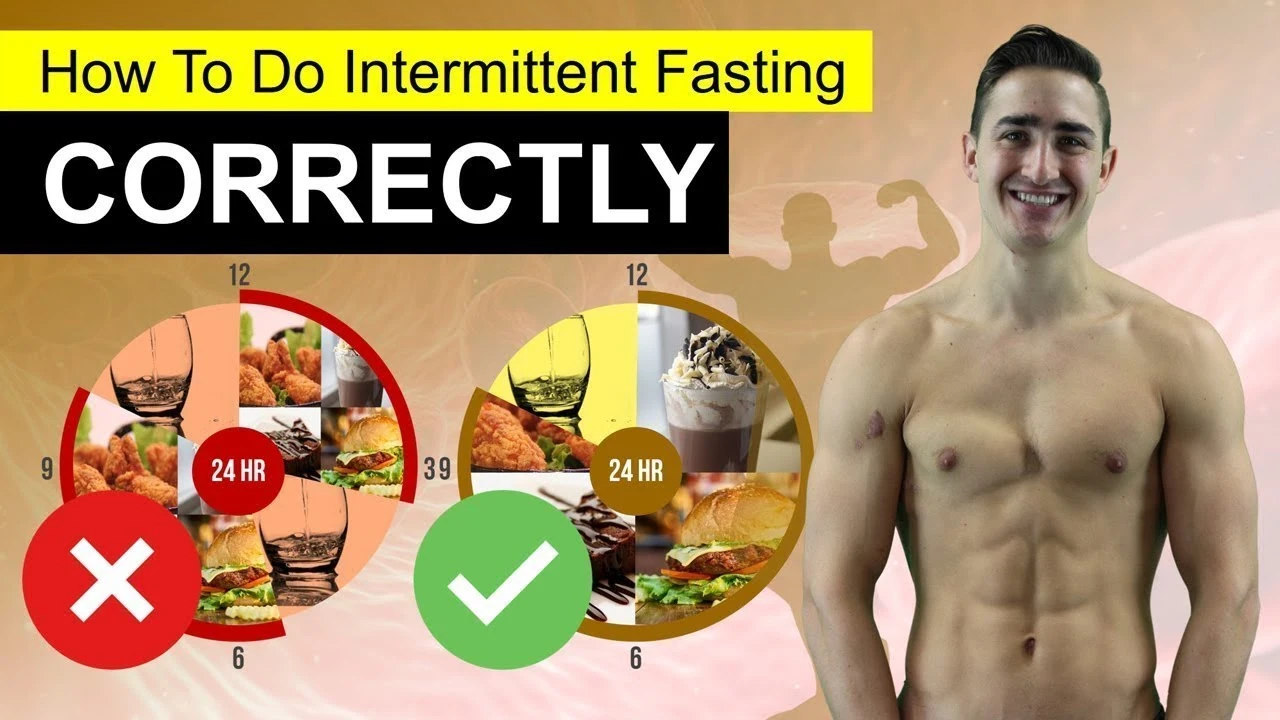
Intermittent fasting (IF) has become one of the most popular diet trends in recent years. From celebrities to fitness enthusiasts, many swear by its benefits for weight loss and improved health. However, with popularity come myths and misconceptions that can mislead you. In this article, we’ll bust the most common intermittent fasting myths and provide clear, science-backed answers on what really works. Whether you’re curious about IF for weight loss, better metabolic health, or overall wellness, you’ll learn the facts you need to make an informed decision about this eating pattern.
What Is Intermittent Fasting?
Intermittent fasting is not a diet in the traditional sense. Instead, it’s an eating pattern that cycles between periods of eating and fasting. Popular methods include:
- 16/8 Method: Fast for 16 hours and eat during an 8-hour window.
- 5:2 Diet: Eat normally for 5 days a week and limit calories on 2 non-consecutive days.
- Eat-Stop-Eat: A 24-hour fast once or twice a week.
These methods are designed to help your body tap into stored energy and improve metabolic processes. Unlike typical diets that focus on what you eat, IF emphasizes when you eat.
Common Myths About Intermittent Fasting
There’s a lot of misinformation about intermittent fasting. Let’s explore and debunk some of the most common myths.
Myth 1: Intermittent Fasting Causes Muscle Loss
Reality: Many fear that fasting leads to muscle loss. However, research shows that when done correctly, intermittent fasting can preserve lean muscle mass. During fasting, your body adapts by burning fat for energy, especially if you include strength training and protein-rich meals during your eating window.
- Tip: Pair IF with resistance training and adequate protein intake to maintain muscle mass.
Myth 2: Fasting Means Starvation
Reality: Intermittent fasting is not about depriving yourself of food; it’s about creating a structured eating schedule. When done properly, it supports your body’s natural circadian rhythms and can even enhance metabolism. It’s important to focus on nutrient-dense foods during eating periods to fuel your body adequately.
- Example: Instead of snacking on processed foods, opt for whole grains, lean proteins, fruits, and vegetables.
Myth 3: IF Is Only About Weight Loss
Reality: While weight loss is a common benefit, intermittent fasting offers several other advantages. Studies suggest that IF can improve insulin sensitivity, reduce inflammation, and promote heart health. Many experts also highlight its potential benefits for brain function and longevity.
- Case Study: A study published in the Journal of Translational Medicine reported that participants who practiced intermittent fasting not only lost weight but also experienced improved metabolic markers.
Myth 4: You Can Eat Anything During Your Eating Window
Reality: The quality of food you consume is just as important as the timing. Overeating junk food during your eating window can negate the benefits of fasting. It’s essential to balance your meals with lean proteins, healthy fats, and complex carbohydrates to ensure your body gets the nutrients it needs.
- Bullet Point Tips for a Healthy Eating Window:
- Focus on whole, unprocessed foods.
- Stay hydrated with water or herbal teas.
- Include a variety of fruits and vegetables.
- Avoid excessive sugar and refined carbs.
The Science Behind Intermittent Fasting
Understanding the science behind intermittent fasting can help you see why many of these myths are unfounded.
How IF Affects Your Metabolism
When you fast, your body undergoes several beneficial changes:
- Insulin Regulation: Fasting periods help lower insulin levels, making it easier for your body to access stored fat.
- Increased Growth Hormone: Higher levels of growth hormone can aid in fat burning and muscle preservation.
- Cellular Repair: Fasting promotes autophagy—a process where cells remove damaged components, which can contribute to improved overall health.
These processes are supported by numerous studies, including research from Harvard Health Publishing and the Mayo Clinic. For more detailed information, check out their intermittent fasting guides on their websites.
Practical Tips for Successful Intermittent Fasting
If you’re considering intermittent fasting, here are some practical tips to help you get started:
1. Start Slowly
- Ease into it: Begin with a shorter fasting window and gradually extend it as your body adapts.
- Listen to Your Body: Pay attention to how your body responds and adjust accordingly.
2. Choose a Method That Suits Your Lifestyle
- Flexible Options: The 16/8 method is popular because it fits well into busy schedules.
- Personal Preference: Some may prefer the 5:2 diet if they enjoy the occasional feast during the week.
3. Focus on Nutrition
- Quality Over Quantity: Make every meal count by choosing nutrient-dense foods.
- Plan Your Meals: Prepare balanced meals in advance to avoid impulsive eating.
4. Stay Hydrated
- Water is Key: Drinking plenty of water can help reduce hunger and keep your body functioning optimally.
- Herbal Teas: These can be a great alternative if you crave a warm beverage.
5. Combine With Regular Exercise
- Strength Training: Incorporate resistance exercises to maintain muscle mass.
- Cardio Workouts: Regular physical activity complements the benefits of IF for heart health and overall fitness.
For more related topics on healthy eating and exercise, check out our Nutrition and Fitness Tips page.
Real-World Success Stories
Many people have found success with intermittent fasting. Consider the case of Sarah, a working professional who struggled with weight management for years. After incorporating the 16/8 method into her daily routine, she noticed:
- Increased Energy Levels: Her energy improved significantly during the day.
- Improved Focus: Fasting helped her clear mental fog and stay productive at work.
- Sustainable Weight Loss: Sarah lost 15 pounds over six months without feeling deprived.
Stories like Sarah’s reinforce that when done correctly, intermittent fasting can be a powerful tool for achieving better health.
Expert Opinions
Many nutrition experts support intermittent fasting as a viable lifestyle choice when combined with balanced nutrition and regular exercise. For instance:
- Dr. Jason Fung, a well-known expert in the field, emphasizes that intermittent fasting can lead to improved metabolic health when paired with a proper diet.
- Registered Dietitian Maria Trujillo, notes that IF is not a one-size-fits-all approach, and personalization is key for success.
These expert opinions are backed by research from reputable sources such as the National Institutes of Health (NIH), underscoring the safety and effectiveness of intermittent fasting when practiced responsibly.
Conclusion
Intermittent fasting remains a promising approach for enhancing overall health and supporting weight loss, but it’s crucial to separate myth from fact. The key takeaways from our discussion are:
- Intermittent fasting is about timing, not deprivation.
- Quality of food matters as much as the fasting schedule.
- When combined with balanced nutrition and exercise, IF can offer benefits beyond weight loss, including improved metabolic and cellular health.
- Listening to your body and choosing the right method for your lifestyle is essential.
By busting these myths and understanding what truly works, you can make informed decisions and tailor your fasting approach to your unique needs. Curious to learn more? Check out our related articles on healthy lifestyle tips for additional insights.